
Diabetic Related Eye Exams
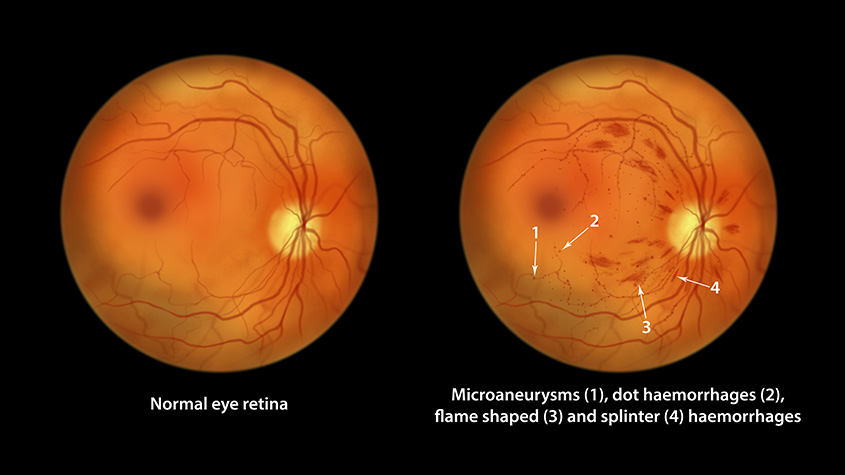
You have almost certainly heard of diabetes, which is one of the most common chronic health conditions in the United States, with an estimated 100 million adults currently living with diabetes or pre-diabetes. This metabolic disorder occurs when the body is no longer able to regulate its own blood sugar levels and requires intervention to keep them stable. Most people are aware that diabetes can have serious consequences for their health. However, you may be surprised to learn that it can also influence our vision. This is because patients who are diabetic can go on to develop a complication known as diabetic retinopathy. Without prompt treatment, diabetic retinopathy can cause permanent vision loss. It is for this reason that patients who suffer from diabetes are asked to attend regular diabetic-related eye exams.
What is diabetic retinopathy?
For us to be able to see clearly, our eyes need to be healthy and functioning perfectly. The most important component of our eyes is the retina. The retina is a membrane of light-sensitive cells that have the job of converting the light that passes into the eye into messages that pass along the optic nerve and into our brain. Our brain converts these electrical impulses into sight.
The retina relies on a continuous supply of blood, which is delivered using a network of tiny blood vessels. Over time, having continuously high blood sugar can damage these blood vessels, causing a leak of blood and other fluids into the retina. Fluid can damage the retina and cause abnormal blood vessels to grow. These are fragile and often leak, leading to scarring, which compromises the quality of your vision.
Am I at risk of diabetic retinopathy?
Technically, anyone who suffers from diabetes, whether it be Type 1 or Type 2, could be at risk of developing diabetic retinopathy. However, the condition is more likely in certain situations. These include if:
Your blood sugar levels are uncontrolled or poorly controlled
You have a long history of diabetes
You have high blood pressure (hypertension)
You suffer from high cholesterol
You are pregnant
Regular diabetic-related eye exams will enable your eye doctor to monitor your condition and ensure that any signs of diabetic retinopathy are detected and acted upon immediately.

What to expect from diabetic-related eye exams?
Diabetic eye screening is non-invasive. Your eyes will be dilated so that your eye doctor can assess the ocular structures, which include the retina, for any abnormalities. Usually, images of the back of your eye will be taken, and you will also be given a visual acuity test.
The information that your eye doctor will obtain from your examination will be able to tell them and help determine if you are experiencing any of the signs of diabetic retinopathy. If so, they will discuss the best way to get your condition under control. This could involve a combination of elements, including controlling your diabetes more effectively, taking medications, or more invasive treatment to preserve your vision. Your eye doctor will give you more specific information based on your individual circumstances.
If you have further questions about diabetic-related eye exams, please contact our knowledgeable eye care team.
Helpful Articles
All Eye Care Services
Find personalized eye care excellence with our comprehensive services. From eye exams to advanced diagnostics, trust us for all your vision needs.
Keep In Touch
For non-urgent questions or to learn more about our services, contact us today!
© 2026 Family Vision Center, P.A. All rights Reserved - Accessibility Statement - Privacy Policy - Sitemap
Managed and Designed by 